French climate lawsuit offers a window into the next round of the global legal fight
Published in News & Features
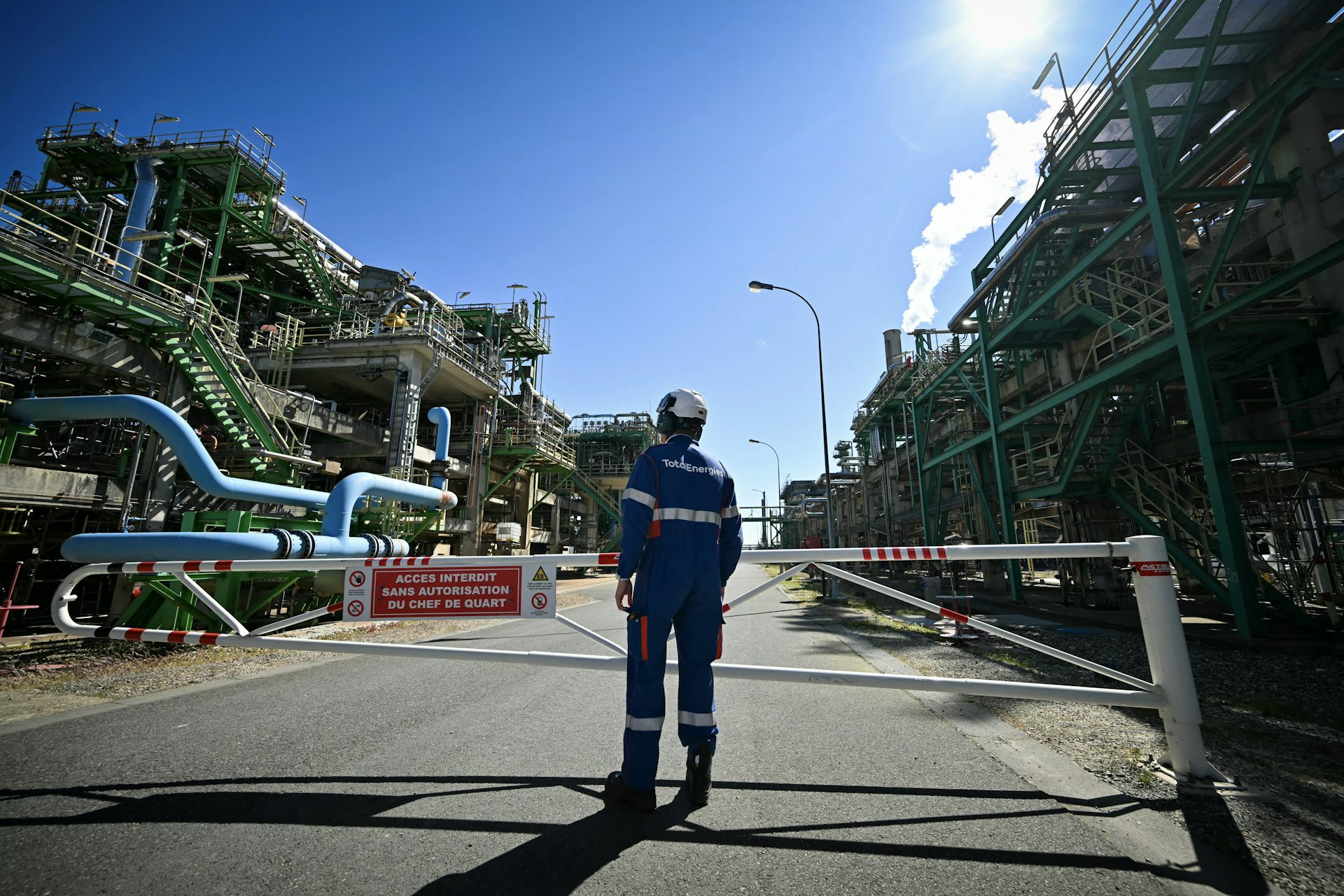
A recent decision by a French court requires a major European oil and gas company to report not only its own climate-warming emissions and those of its contractors but also those of its customers, who burn the oil and petroleum products the company sells.
The court’s ruling against TotalEnergies, under a French law passed in 2017, expands a growing front in the global legal fight against climate change. That movement seeks court rulings to hold corporations liable for their emissions and the resulting warming of Earth’s atmosphere.
The court ruling gives TotalEnergies six months to report on the emissions from airlines, auto drivers and other customers using the company’s energy products. Those emissions represent the vast majority of the company’s total emissions. The company must also assess the risks of those emissions to the environment, human rights and health, and report how it plans to reduce those risks.
TotalEnergies has said it will abide by the ruling, though it still may choose to appeal. Nevertheless, the ruling expands the options for corporate accountability efforts against oil companies in France. And it may set a precedent for European Union rules requiring similar reports from companies in other countries, which will come into effect in 2028.
The French law requiring this type of reporting came as the result of the 2013 collapse of a clothing factory in Bangladesh that killed more than 1,100 people. Among the rubble were clothes from several French companies’ brands. The resulting public outcry led to the passage of the law, seeking to hold French companies accountable not only for their own corporate practices but for those of their contractors and subsidiaries.
In the TotalEnergies case, the company acknowledged that its own activities result in emissions that pose risks to the environment, but it said emissions from its customers were outside the scope of the law. The court disagreed, ruling not only that TotalEnergies must report on its customers’ emissions around the world, but that the company must also take steps to reduce the global harm of those emissions.
The court reasoned that TotalEnergies’ production of energy was closely linked to the harm from its customers’ use of those energy products. In a partial win for the company, however, the court declined to directly order TotalEnergies to reduce its overall emissions – including those of its customers – which would have meant effectively telling the company to sell less petroleum.
For its own operations, TotalEnergies reported around 34 million metric tons of carbon dioxide emissions per year – more than the emissions of Ireland, Finland or Denmark. The company estimated that its customers’ emissions were about 10 times that amount, putting it about even with Australia’s annual national emissions.
This ruling will have repercussions in the United States, because TotalEnergies’ U.S. operations are extensive, including oil and gas production, refining and sales. It is the largest exporter of liquefied natural gas from the U.S., yet its U.S. oil and gas business is only about 4% of the company’s global total.
In addition, the French court determined that harms from emissions pose human rights and environmental risks that should be included in companies’ reports. That could, over time, be interpreted to require U.S.-based companies that operate in Europe to collect and share similar data about their emissions and those of their customers.
The prospect of this type of report is one reason U.S. energy companies have already sought to shape a new European directive on corporate risk evaluation, which requires all EU countries to develop national laws on risk reporting by 2028.
The French ruling also marks a rare decision against a corporation in a lawsuit over climate damage. Many climate law cases are brought against governments, which have joined treaties and made other international commitments to reduce greenhouse gas emissions. Companies are not parties to those agreements, and courts also tend to be wary of interfering in corporate management decisions.
The overall conclusion of the French court that corporations have a legal duty to help combat harms from climate change could also add weight to similar claims in lawsuits against companies in Belgium, Italy and Switzerland.
This article is republished from The Conversation, a nonprofit, independent news organization bringing you facts and trustworthy analysis to help you make sense of our complex world. It was written by: Aminta Ossom, Harvard University; Harvard Kennedy School
Read more:
5 lessons from 20 years of climate surveys: Political party matters, but it doesn’t explain everything
Revoking EPA’s endangerment finding – the keystone of US climate policies – isn’t simple and could have unintended consequences
Despite Supreme Court setback, children’s lawsuits against climate change continue
Aminta Ossom provides pro bono advice to a plaintiff in separate Duty of Vigilance litigation, but has no financial interest in TotalEnergies and was not involved in the TotalEnergies case. The views expressed are the author’s own.







Comments