PFAS are turning up in the Great Lakes, putting fish and water supplies at risk – here’s how they get there
Published in News & Features






No matter where you live in the United States, you have likely seen headlines about PFAS being detected in everything from drinking water to fish to milk to human bodies.
PFAS, or per- and polyfluoroalkyl substances, are a group of over 10,000 synthetic chemicals. They have been used for decades to make products waterproof and stain- and heat-resistant – picture food wrappers, stain-resistant carpet, rain jackets and firefighting foam.
These chemicals are a growing concern because some PFAS are toxic even at very low levels and associated with health risks like thyroid issues and cancer. And some of the most common PFAS don’t naturally break down, which is why they are often referred to as “forever chemicals.”
Now, PFAS are posing a threat to the Great Lakes, one of America’s most vital water resources.
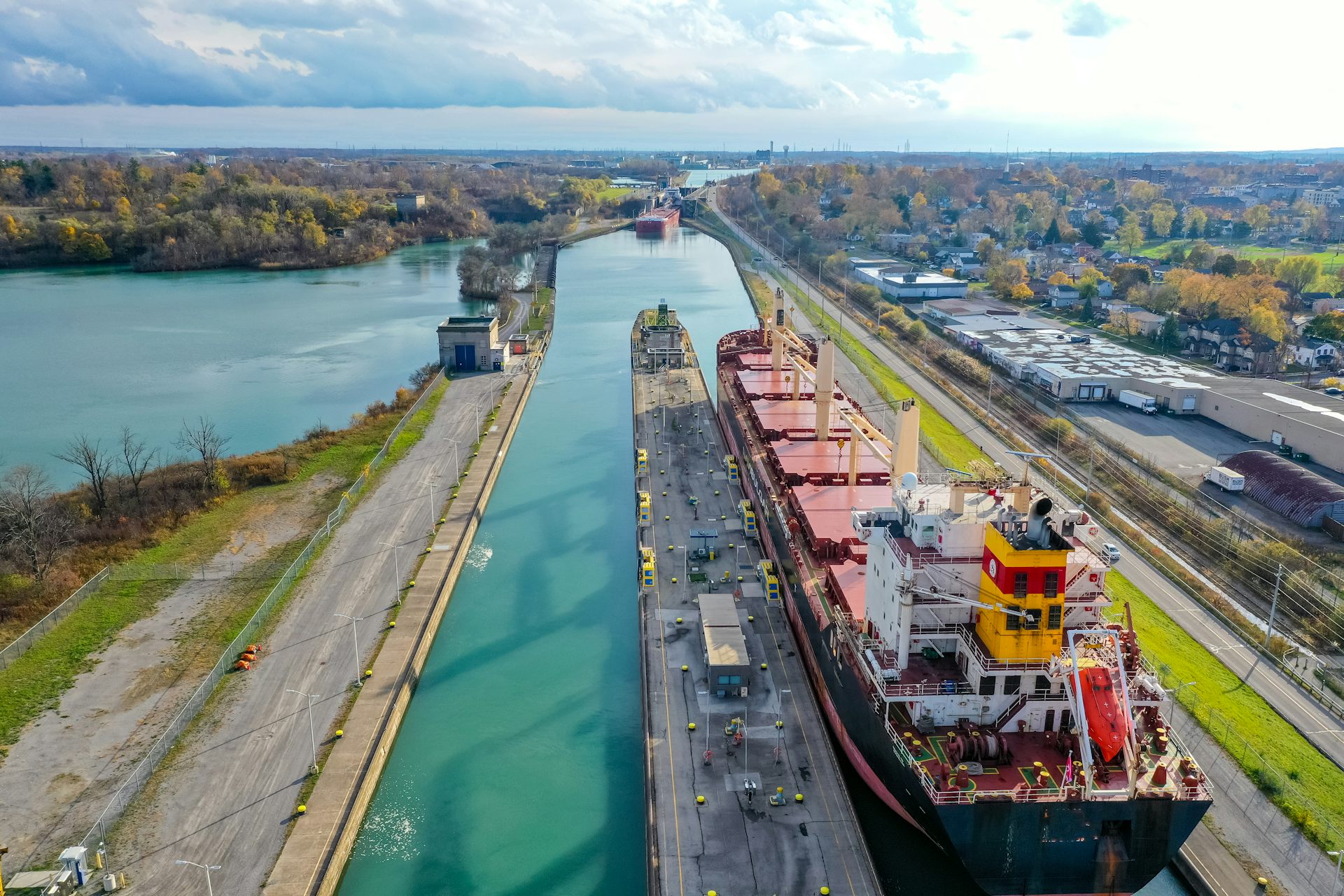
The five Great Lakes are massive, with over 10,000 miles of coastline (16,000 kilometers) across two countries and containing 21% of the world’s fresh surface water. They provide drinking water to over 30 million people and are home to a robust commercial and recreational fishing industry.
My colleagues at the University of Wisconsin-Madison and I study how chemicals like PFAS are affecting water systems. Here’s what we’re learning about how PFAS are getting into the Great Lakes, the risks they’re posing and how to reduce those risks in the future.
Hundreds of rivers flow into the lakes, and each can be contaminated with PFAS from sources such as industrial sites, military operations and wastewater treatment plants in their watersheds. Some pesticides also contain PFAS, which can wash off farm fields and into creeks, rivers and lakes.
The concentration of PFAS in rivers can vary widely depending on these upstream impacts. For example, we found concentrations of over 1,700 parts-per-trillion in Great Lakes tributaries in Wisconsin near where firefighting foam has regularly been used. That’s more than 400 times higher than federal drinking water regulations for PFOS and PFOA, both 4 parts-per-trillion.
However, concentration alone does not tell the whole story. We also found that large rivers with relatively low amounts of PFAS can put more of these chemicals into the lakes each day compared with smaller rivers with high amounts of PFAS. This means that any effort to limit the amount of PFAS in the Great Lakes should consider both high-concentration hot spots and large rivers.
Groundwater is another key route carrying PFAS into the Great Lakes. Groundwater is a drinking water source for more than one-third of people in the U.S., and it can become contaminated when PFAS in firefighting foam and other PFAS sources seep into soil.
When these contaminated plumes enter the Great Lakes, they carry PFAS with them. We detected PFAS concentrations of over 260 parts-per-trillion in the bay of Green Bay in Lake Michigan. The chemicals we found were associated with firefighting foam, and we were able to trace them back to a contaminated groundwater plume.
PFAS can also enter the Great Lakes in unexpected ways, such as in rain and snowfall. PFAS can get into the atmosphere from industrial processes and waste incineration. The chemicals have been detected in rain across the world, including in states surrounding the Great Lakes.
Although PFAS concentrations in precipitation are typically lower than in rivers or groundwater, this is still an important contamination source. Scientists estimate that precipitation is a major source of PFAS to Lake Superior, which receives about half of its water through precipitation.
Much of the PFAS that enter Lake Superior will eventually make their way to the downstream lakes of Michigan, Huron, Erie and Ontario.
These chemicals’ ability to travel with water is one reason why PFAS are such a concern for drinking water systems. Many communities get their drinking water from the Great Lakes.
PFAS can also contaminate other parts of the environment.
The chemicals have been detected in sediments at the bottom of all the Great Lakes. Contaminated sediment can release PFAS back into the overlying water, where fish and aquatic birds can ingest it. So, future remediation efforts to remove PFAS from the lakes are about more than just the water – they involve the sediment as well.
PFAS can also accumulate in foams that form on lake shorelines during turbulent conditions. Concentrations of PFAS can be up to 7,000 times higher in natural foams compared with the water because PFAS are surfactants and build up where air and water meet, like bubbles in foam. As a result, state agencies recommend washing skin that comes in contact with foam and preventing pets from playing in foam.
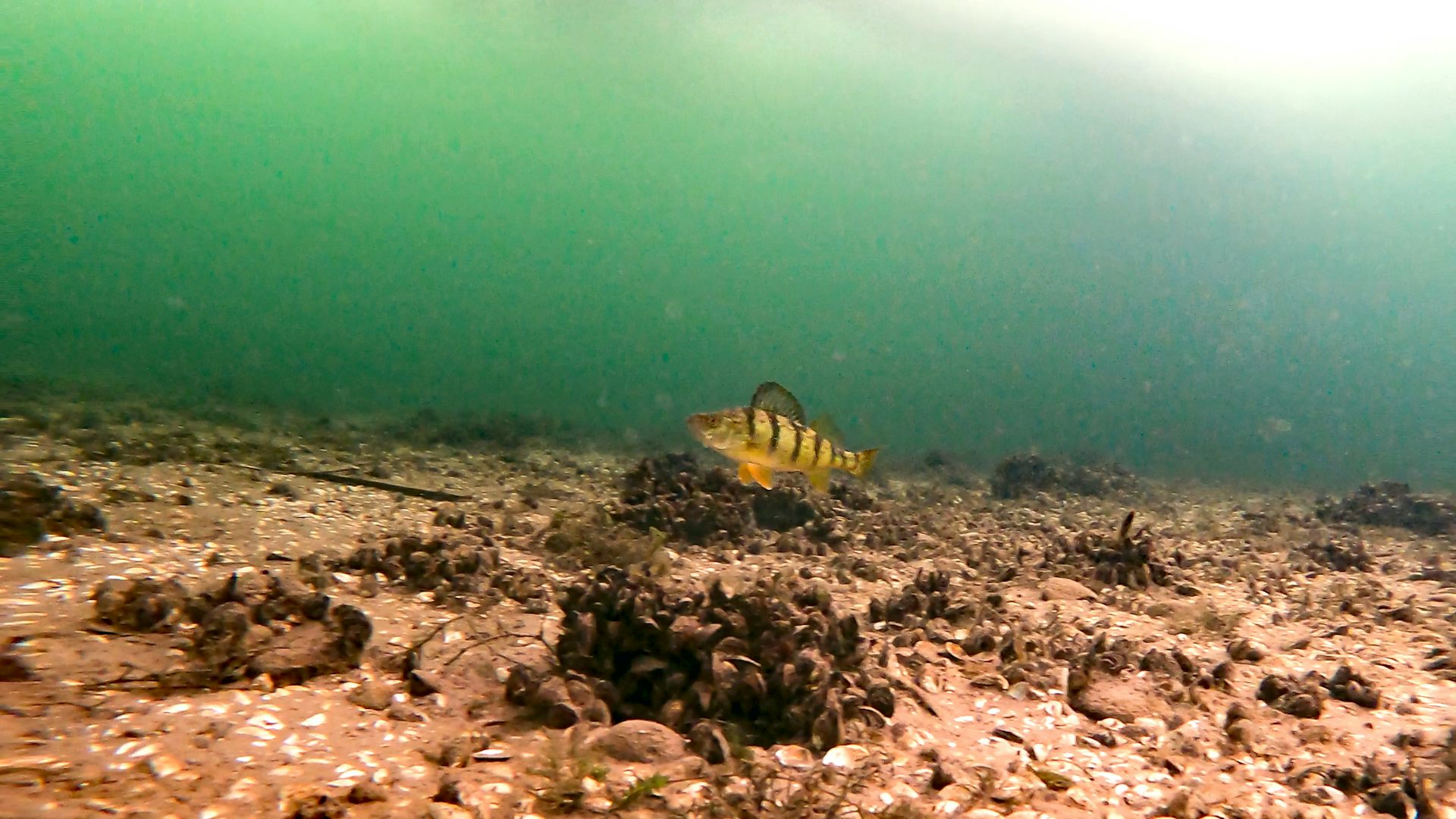
Some PFAS bioaccumulate, or build up, within fish and wildlife. Elevated levels of PFAS have been detected in Great Lakes fish, raising concerns for fisheries.
High PFAS concentrations in fish in coastal areas and inland waters have led to advisories recommending people limit how much they fish they eat.
Water cycles through the Great Lakes, but the process can take many years, from 2.6 years in Lake Erie to nearly 200 years in Lake Superior.
This means that PFAS that enter the lakes will be there for a very long time.
Since it is not possible to clean up the over 6 quadrillion gallons of water in the Great Lakes after they have been contaminated, preventing further contamination is key to protecting the lakes for the future.
That starts with identifying contaminated groundwater and rivers that are adding PFAS to the lakes. The Sea Grant College Program and the National Institutes of Water Resources, including the Wisconsin programs that I direct, have been supporting research to map these sources, as well as helping translate that knowledge into actions that policymakers and resource managers can take.
PFAS contamination is an issue beyond the Great Lakes and is something everyone can work to address.
Drinking water. If you are one of the millions of people who drink water from the Great Lakes, find out the PFAS concentrations in your drinking water. This data is increasingly available from local drinking water utilities.
Fish. Eating fish can provide great health benefits, but be aware of health advisories about fish caught in the Great Lakes and in inland waters so you can balance the risks. Other chemicals, such as mercury and PCBs, can also lead to fish advisories.
Personal choice. Scientists have proposed that PFAS only be used when they have vital functions and there are no alternatives. Consumer demand for PFAS-free products is helping reduce PFAS use in some products. Several states have also introduced legislation to ban PFAS use in some applications.
Decreasing use of PFAS will ultimately prevent downstream contamination in the Great Lakes and around the U.S.
This article is republished from The Conversation, a nonprofit, independent news organization bringing you facts and trustworthy analysis to help you make sense of our complex world. It was written by: Christy Remucal, University of Wisconsin-Madison
Read more:
Removing PFAS from public water systems will cost billions and take time – here are ways you can filter out harmful ‘forever chemicals’ at home
How to destroy a ‘forever chemical’ – scientists are discovering ways to eliminate PFAS, but this growing global health problem isn’t going away soon
What are PFAS, the ‘forever chemicals’ showing up in drinking water? An environmental health scientist explains
Christy Remucal receives funding from National Science Foundation, U.S. Geological Survey, and Department of Defense.







Comments