Current News
/ArcaMax

What legal experts say about the Trump administration’s attempts to make a federal case out of state elections
The Trump administration’s lawsuit against Alaska, which seeks to block certification of the U.S. Senate results there if the GOP candidate does not win, is the latest in a long series of actions throughout 2026 in which the administration has attempted to wrest control of federal elections from states.
In the Alaska case, the U.S. ...Read more

President Donald Trump is coming back to Kansas in final push for Marshall
President Donald Trump is coming back to Kansas for the second time this month.
Trump will hold a rally at a not-yet-disclosed location in Salina on Saturday, a representative from the Republican National Committee confirmed to The Star. The event will start at 10:30 a.m. and Trump is expected to speak at noon, according to an RSVP page.
The ...Read more
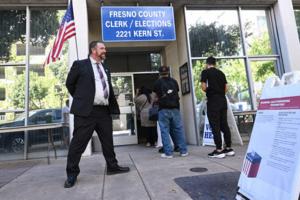
DOJ threatens to prosecute Fresno County elections officials in fight over noncitizens
The Fresno County registrar of voters said his office is coordinating with state elections officials Monday after receiving a letter over the weekend from the Trump Administration demanding evidence that suspected noncitizens were registered as voters.
The administration sent letters demanding Fresno County and its counterpart elections offices...Read more
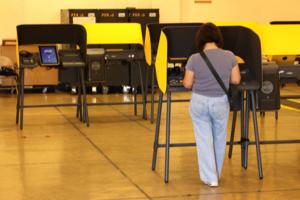
9th Circuit denies feds' appeal over 20,000 California ballots; district court hearing to proceed
A federal appeals court Monday denied an emergency request from the U.S. Justice Department to step in and block California election officials from counting about 20,000 ballots from voters whose citizenship the Trump administration has questioned.
The three-judge panel of the U.S. 9th Circuit Court of Appeals — composed of two judges ...Read more
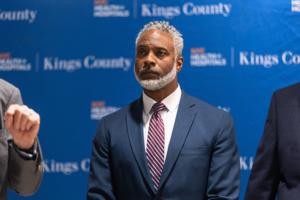
MTA plans to return fare checking teams to NYC buses after review of violent episodes
NEW YORK — The MTA plans to put its fare checking teams back on city buses following a thorough look into the teams’ training sparked by two violent confrontations in recent months, NYC Transit President Demetrius Crichlow said Monday.
The teams, part of the MTA’s so-called Evasion and Graffiti Lawlessness Eradication, or EAGLE, program,...Read more
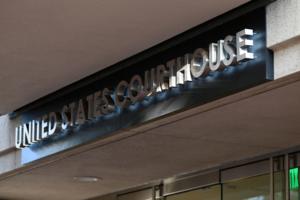
Santa Clara County refuses to share voter registration data or not count ballots despite DOJ demands
Three days after the U.S. Department of Justice sent letters to counties across California demanding that they turn over confidential voter registration information and not process ballots of people it alleged are not citizens, Santa Clara County refused to comply with the request, stating that turning over such information would be in violation...Read more
UC Davis study unearths fossils of fearsome armored sea amphibian, a first
There are more than 8,000 species of modern amphibians. None of them call the ocean home and less than 2% of them are able to tolerate salt — and even then, only to some extent. Now, scientists have discovered fossil evidence of the first fully marine amphibian.
Named Gerrothorax maritimus, the salamander-sized ocean creature’s skeletons ...Read more
People wrongly arrested due to software errors could get $2,800 in NC settlement
RALEIGH, N.C. — A proposed class-action settlement filed in federal court Monday would set aside up to $1.5 million to compensate people who were wrongly arrested or held in jail too long because of errors in software designed to bring North Carolina’s paper-based court system into the digital age.
The proposed settlement would need to be ...Read more

DOJ accuses ex-FBI director James Comey of sharing defense secrets
WASHINGTON — The U.S. Justice Department accused former FBI Director James Comey of illegally directing the sharing of secret national defense information 10 years ago, according to a court filing unsealed on Monday.
Comey, who President Donald Trump has repeatedly said should be investigated and prosecuted, is alleged to have knowingly ...Read more
Trump's DOJ demands Washington state set aside ballots of 400-plus alleged noncitizens
SEATTLE — Days before the midterm election, the Department of Justice is demanding Washington elections officials set aside the ballots of more than 400 people, asserting they are noncitizens who are illegally registered to vote.
At a news conference Monday, Charles Neil Floyd, the acting U.S. Attorney for Western Washington, said he’d ...Read more
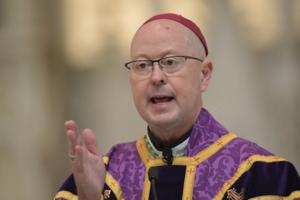
Denver archbishop says he's 'heartbroken' that people are hurt by his leading of prayer over President Trump
DENVER — After Denver’s top Catholic cleric led a prayer over President Donald Trump in the White House last week, he said he knew the event might be used for political purposes — but he didn’t intend for his participation to be an endorsement of the president.
“We pray for people,” Archbishop James Golka told the Denver Catholic, a...Read more
News briefs
At Trump rallies, data centers take back seat to butts
WASHINGTON — The backsides of Ohio GOP Sen. Jon Husted, rapper Nicki Minaj, even former Rep. Mike Rogers. As the midterm campaign enters its home stretch, President Donald Trump has talked up what he claims are the benefits of increasingly unpopular data centers, at the same time that he ...Read more
Chicago aldermen open budget hearings questioning if Mayor Johnson's plan is truly balanced
CHICAGO — Ald. Anthony Beale tilted his head forward at his wooden desk Monday morning, peering over the spectacles that had slid down his nose for an opening salvo in City Hall’s budget negotiations.
Beale, the 9th Ward alderman, stared one by one at Mayor Brandon Johnson’s top finance leaders, feet in front of him — budget director, ...Read more
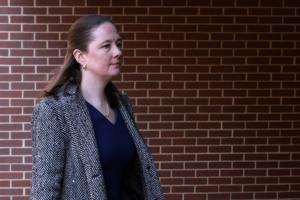
NY judge rules prosecutor Maurene Comey's firing unlawful; more charges for James Comey
NEW YORK — The Trump administration’s unceremonious firing of veteran Manhattan prosecutor Maurene Comey was unconstitutional and flew in the face of “ nearly two centuries of Supreme Court precedent,” a federal judge ruled Monday.
The decision came in a September 2025 suit that Comey, a highly respected former fed, brought against ...Read more
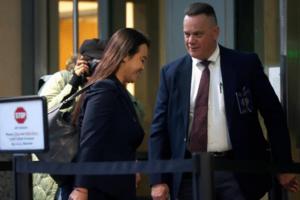
'I prefer a private room': Phone calls pull back curtain at City Hall in trial of ex-Oakland Mayor Sheng Thao
OAKLAND, Calif. — Fresh out of a closed-door City Council meeting in April 2019, then-Oakland Council member Sheng Thao was upset and wanted to strategize about what she had just heard.
She dialed Andy Duong, the well-connected scion helping to run the city’s recycling contractor, and allegedly revealed the city’s private legal strategy ...Read more
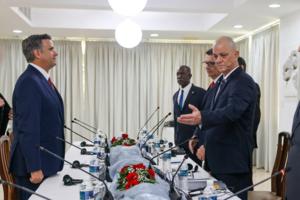
CIA is looking for regime insiders in Cuba who want to break away from communism
As hope that a mass revolt that could help topple the Cuban government fades away, the Trump administration is carefully watching the dynamics in Havana, looking for insiders willing to break away from the communist regime to push for changes on the island.
During the weekend, the administration made the strategy public: In a rare social media ...Read more
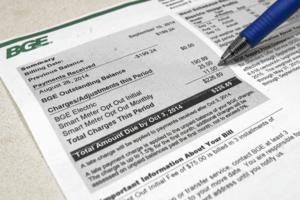
Maryland's $200M clean energy program won't lower electric bills anytime soon
Officials on Monday opened applications for a $200 million clean energy auction to help fund solar, wind and other energy projects. But the program isn’t expected to lower residents’ electric bills anytime soon.
The Megawatts for Maryland program aims to increase electricity supply as demand grows, and officials say that more generation ...Read more

Southern California coast hit by widespread flooding as record-breaking tides move in
High tides inundated Southern California communities with water on Monday, flooding streets from Newport Beach to Long Beach, as the region braces for days of coastal flooding from near-record or record-high sea levels this week.
As high tide peaked Monday morning, water surged from Newport Harbor onto the streets of the Balboa Peninsula, ...Read more
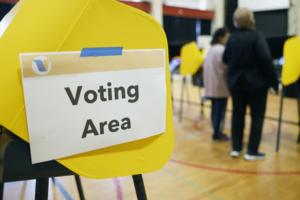
Are noncitizens voting illegally in California? What to know as federal dispute continues
SACRAMENTO, Calif. — The Trump administration’s list of people it says may be noncitizens who are improperly registered to vote is at the center of numerous fast-moving legal cases that could force changes to California’s management of next week’s midterm elections.
The list, which the administration has admitted may not be fully ...Read more

DOJ accuses ex-FBI director James Comey of sharing defense secrets
WASHINGTON — The U.S. Justice Department accused former FBI Director James Comey of illegally directing the sharing of secret national defense information 10 years ago, according to a court filing unsealed on Monday.
Comey, who President Donald Trump has repeatedly said should be investigated and prosecuted, is alleged to have knowingly ...Read more
Popular Stories
- Congress is freeing Trump of the limited legal requirements left on him by the Supreme Court
- GOP congressman in California swing-district race defends vote for Medicaid cuts
- Babysitter who smothered infant with pillow in Fort Worth sentenced to 30 years
- 'Go to Canada': Trump touted Americans' access to cheaper drugs. A new rule threatens it
- Job-based health plan costs rise, with little relief in sight
Comics