Warriors star Steph Curry suffers oblique tear, will be re-evaluated in two weeks
Published in Basketball
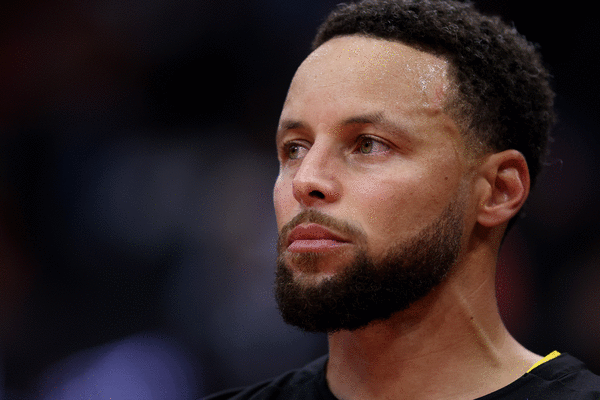
HOUSTON — Warriors star Steph Curry will be out for the rest of the team’s five-game trip and potentially longer with an oblique tear that knocked him out of Wednesday’s loss to the Houston Rockets.
The Warriors announced the MRI results Thursday morning, saying he will be re-evaluated in two weeks.
What will his recovery look like?
A prominent orthopedic surgeon says resting will be crucial.
“It’s one of those things where the first seven to 10 days, you’re just letting that area rest,” Dr. Nirav Pandya of UCSF told this news organization over the phone on Thursday morning. “You’re making sure the muscle ends up getting that inflammation down, and then you’re slowly building it back up.“
Pandya noted that the oblique muscles, located below the armpits, are commonly injured by baseball players who make a living swinging a bat.
“They basically are the muscles that help you rotate, bend to the side, kind of move your trunk around, and that’s really important for any kind of rotational movement,” Pandya said.
They are crucial for basketball-related movements, as well. Not only does an oblique injury affect the ability to shoot, but Curry’s off-ball wizardry is dependent upon having strong obliques.
“It’s not only important for doing the basic things like shooting and passing, but what it’s extremely important for is that it gives you that stability so you can cut, pivot and change direction,” Pandya said.
Curry is a gifted scorer with the ball, including the long-range 3-pointers that reshaped the geography of modern basketball, but his willingness to run around the court without the ball is also legendary, as it creates openings for himself and his teammates.
Pandya noted that Curry’s age, 38, does affect his recovery time. While he said most basketball players might only miss around four or five games with a mild oblique injury, it made sense for the Warriors to be extra cautious with him.
He cautioned that rushing to return before the oblique is fully healed can cause an athlete to compensate by straining other muscles, potentially causing further injuries.
“These very rarely become a chronic issue. It’s not like I have this oblique issue that’s going to bother me during the season,” Pandya said. “What you don’t want is that he’s having a little bit of soreness in his oblique and he comes back and he starts running differently or he’s changing his directions a little bit differently, then his knee flares up, his ankle flares up … you want to make sure everything is 100 percent in place so that he doesn’t get that secondary injury.”
Curry has dealt with a sore knee over the past year, and went through ankle trouble throughout the early portion of his career.
©2026 MediaNews Group, Inc. Visit at mercurynews.com. Distributed by Tribune Content Agency, LLC.





Comments