Sports
/ArcaMax
Troy Renck: Why Nuggets are right to trust Nikola Jokic about contract extension delay
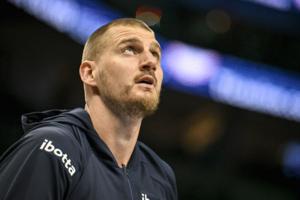
DENVER — Without trust, there can be no loyalty. Without loyalty, there can be no Nikola Jokic. And without Nikola Jokic, there can be no Denver Nuggets.
Jokic missed too many shots against the Minnesota Timberwolves. But Jokic is a straight shooter. And when the Nuggets were told by Jokic that it makes more dollars and sense for him to sign ...Read more
Ira Winderman: Heat similarities to 2004-05 offer hope, with need to take heed
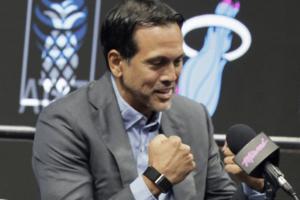
MIAMI — In just over two weeks, Erik Spoelstra will, at some point during his comments at media day, stress how the 2026-27 Miami Heat will be a team telling its own story.
Just as he has for years with almost all of his teams, with a clear dissuasion toward comparisons to what came before during his coaching tenure.
So expect no comparisons...Read more

Lakers make two hires to front office, including assistant GM
LOS ANGELES — With ownership of the team still in limbo, the Lakers announced two front office additions Friday, hiring former Miami Heat executive Eric Amsler as assistant general manager, player personnel, while bolstering their sports performance staff with Keith D'Amelio as director of integrated performance systems.
Boosting the team's ...Read more
UConn men's basketball lands five-star point guard NaVorro Bowman Jr., son of former NFL star
HARTFORD, Conn. — The UConn men’s basketball program landed its first commitment in the 2027 class as NaVorro Bowman Jr., a five-star guard, reportedly pledged to the Huskies on Thursday.
Bowman, the son of former four-time NFL All-Pro linebacker NaVorro Bowman, is the No. 11 overall recruit and No. 2 combo guard in his class, according to ...Read more
Just how much will the Sixers starting lineup have to sacrifice for one another? Here's a look at the numbers.
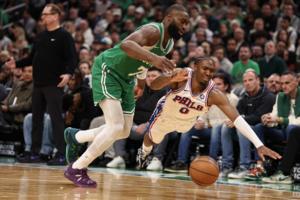
PHILADELPHIA — In the wake of the 76ers’ monumental offseason, one concern that players have already started addressing in various statements is, “How much are players going to sacrifice?”
Having as much talent as the Sixers have on their roster naturally leads to questions about roles and shot distribution, since there’s only one ...Read more
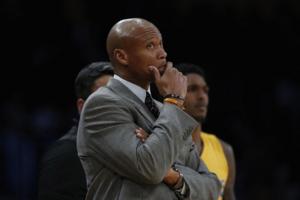
Byron Scott's civil sexual assault trial on hold after former Lakers star files for bankruptcy
LOS ANGELES — The civil sexual assault trial of Lakers star Byron Scott is on hold after the former player and coach filed for bankruptcy last week.
Hayley Dylan has accused Scott in a civil lawsuit of sexually assaulting her in the summer of 1987 when she was a 15-year-old student at Campbell Hall School and he was 26 and married. The case ...Read more
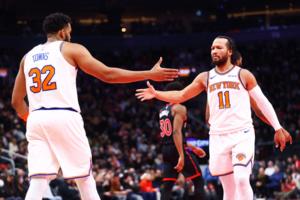
Knicks' Jalen Brunson to host 'Saturday Night Live' season premiere
NEW YORK — Jalen Brunson is about to make more Knicks history.
Fresh off of leading the franchise to its first championship in 53 years, Brunson is set to become the first Knick to host NBC’s “Saturday Night Live.”
Brunson will run point on the Season 52 premiere on Sept. 26, the network announced. He will be joined by the girl group ...Read more
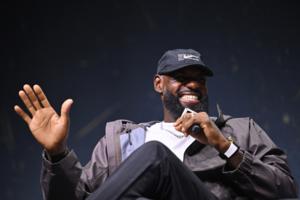
LeBron James is partnering with prediction platform Polymarket
PHILADELPHIA — Where LeBron James would choose to play the final years of his storied career was a fixture on prediction markets this summer. Now, James could benefit from the boom of those platforms.
On Saturday, James shared a short video on social media announcing a partnership with the prediction platform Polymarket. The Sixer then posted...Read more
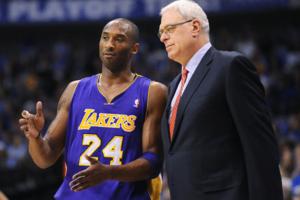
Former Lakers coach Phil Jackson will get statue outside of Crypto.com Arena in 2027
LOS ANGELES — Phil Jackson will be the next member of the Lakers to receive a statue outside Crypto.com Arena.
The Lakers announced on Tuesday that they have commissioned a statue of the coach who led them to five NBA championships — with help from Kobe Bryant, Shaquille O'Neal, Pau Gasol and others — that will be unveiled April 9 when ...Read more
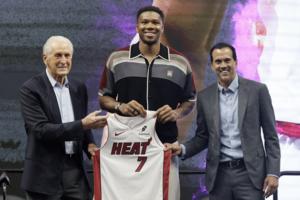
Ira Winderman: Heat at top of East or play-in? It's a very fine line.
MIAMI — The prevailing notion once LeBron James put pen to paper on July 27 was that the stage was set in the Eastern Conference, that assessments could be set when it came to standings, seedings.
Yes, there was some cleanup work around the conference in the interim, most notably the Cavaliers’ acquisition of Peyton Watson, but otherwise ...Read more
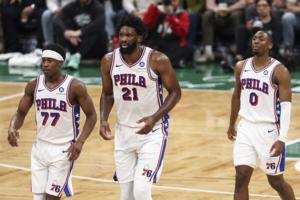
Five key stats to remember as the Sixers enter a season with title hopes
PHILADELPHIA — One overarching question throughout next season for the 76ers will be: Is this team playing well enough to win a championship?
As the season progresses and the Sixers figure out what works and what doesn’t for this uber-talented group, a few numbers may indicate whether the Sixers are true contenders or pretenders. Here are a...Read more
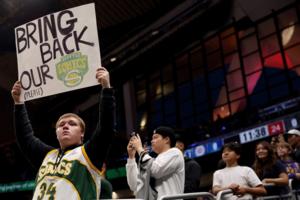
New bid for Seattle NBA expansion team calls for arena on Tulalip land
SEATTLE — Is there a second bidder in the conversation surrounding NBA expansion and the chances of the SuperSonics returning to Seattle?
It might depend on the viability of that bid and a proposal that would call for the team to eventually play in Snohomish County.
Some buzz was generated in mid-August when BlackSun Private Equity announced...Read more
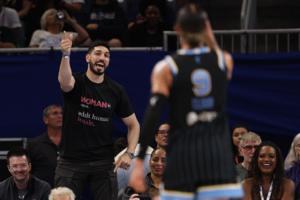
Enes Kanter Freedom files a lawsuit against Chicago Sky and Wintrust Arena owners after his game ejection
CHICAGO — Enes Kanter Freedom continued his dispute against the WNBA and its teams by filing a lawsuit Thursday against the Chicago Sky and the owners of Wintrust Arena in the U.S District Court in the Northern District of Illinois.
The suit is in response to Kanter Freedom’s removal from an Aug. 23 game between the Sky and Indiana Fever at...Read more
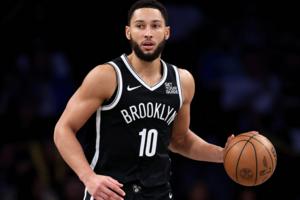
Kings signing Ben Simmons as former All-Star returns to NBA
SACRAMENTO, Calif. — Ben Simmons, a former All-Star whose career has been hindered by injuries and mental health issues, is returning to the NBA as a member of the Sacramento Kings.
League sources on Friday told The Sacramento Bee that Simmons has agreed to a one-year, $3.5 million contract with the Kings, as first reported by ESPN’s Shams ...Read more
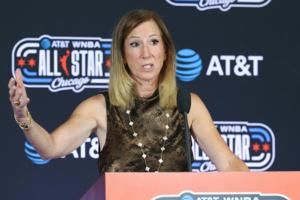
Mike Sielski: Cathy Engelbert did next to nothing to help the WNBA. Its next commissioner has to be a real leader.
PHILADELPHIA — Cathy Engelbert was the Jalen Hurts of the WNBA, the subject of the same kind of questions about whether a prominent figure on a speeding ship was the captain or a passenger — except with her, the answers were more definitive and damning.
For these last few years, for the period in which the league has made its greatest gains...Read more
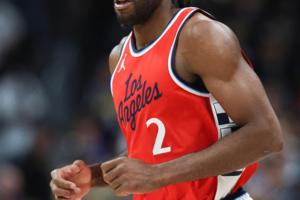
Report: Kawhi Leonard trade to Raptors remains 'on track' after Clippers punishment
The Los Angeles Clippers might be destined for NBA purgatory once their historic punishment for the Kawhi Leonard endorsement scandal begins to strip them of valuable roster-building assets.
Leonard, meanwhile, appears poised to escape the situation largely unscathed.
An agreed-upon trade to send Leonard from the Clippers to the Toronto ...Read more
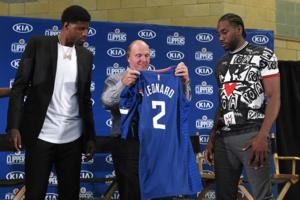
Mirjam Swanson: Kawhi Leonard is a Hall of Fame scam artist who deserves Clippers fans' boos
LOS ANGELES — Clippers fans, please join the rest of L.A. in booing Kawhi Leonard.
With your whole chests, let him hear it, the entitled scoundrel.
Greedy villain.
Selfish charlatan.
The Clippers' star and his team found the one NBA franchise that was desperate enough to allegedly acquiesce to all of his out-of-bounds demands, to break the...Read more
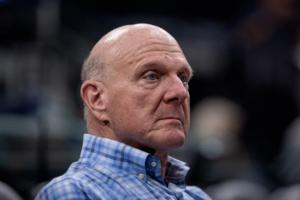
Michael Rand: Wolves history offers a warning about what the Clippers could face after losing five first-round picks
MINNEAPOLIS — The NBA put the hammer down on the Los Angeles Clippers on Wednesday, docking them five first-round picks, handing out multiple suspensions and fining the team $30 million for what it deemed salary cap circumvention involving star Kawhi Leonard and off-court income.
“I am deeply disappointed by the flagrant violations of our ...Read more
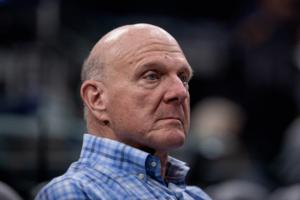
Bill Plaschke: NBA drops the hammer on The Cheatin' Clippers, and they can't shed the stink
LOS ANGELES — Boom, goes the Clippers.
Steve Ballmer has been tattered. Lawrence Frank has been shredded. Their team future has been flattened.
Boom, goes those damn Clippers.
They had transformed themselves from the ridiculed Clip Joint to a top-shelf NBA organization, with the billionaire owner, the beautiful arena, the best coach and the...Read more
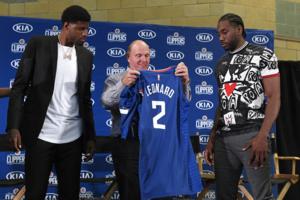
NBA hammers Clippers, Steve Ballmer and Kawhi Leonard following investigation
LOS ANGELES — The NBA handed down sweeping penalties to Clippers owner Steve Ballmer, team executives, the team and Kawhi Leonard following an investigation into allegations the group circumvented the league’s Collective Bargaining Agreement.
The NBA issued the following sanctions after a third-party probe determined Ballmer invested $60 ...Read more
Popular Stories
- Lakers make two hires to front office, including assistant GM
- Ira Winderman: Heat similarities to 2004-05 offer hope, with need to take heed
- Troy Renck: Why Nuggets are right to trust Nikola Jokic about contract extension delay
- Byron Scott's civil sexual assault trial on hold after former Lakers star files for bankruptcy
- Just how much will the Sixers starting lineup have to sacrifice for one another? Here's a look at the numbers.
Comics