Gardening
/Home & Leisure

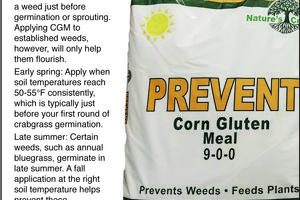
The Greener View: Does Corn Gluten Meal Prevent Weed Seeds?
Q: Your previous article on weed control is spot-on regarding the limitations of weed control via vinegar, boiling water, sodium chloride, etc. I have tried all of them. None are very effective.
The article mentions preemergents with corn gluten. Does corn gluten do the job?
A: I did mention using corn gluten meal as a preemergent in the ...Read more
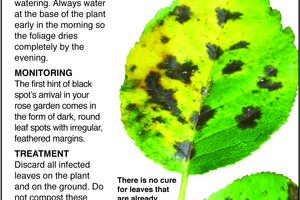
The Greener View: Black Spot Disease on Roses
Q: I have some old rose bushes. They start out great each spring, but most summers, black spots develop on all my plants. By mid to late summer, most of the leaves are off the rose bushes, and they really look sad. I don't want to start over with new varieties as these smell nice when I bring them indoors.
A: Black spot is a fungus that causes ...Read more
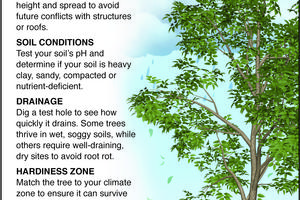
The Greener View: Tree-Buying Tips
Q: We are moving to a new state and don't know much about the trees that grow there. Can you give us some tips on what to look for? We have looked at some top 10 lists for trees to grow in the area, but they are confusing and list plants that we would never use in our current landscape.
A: Check with the town that you are moving to and see if ...Read more
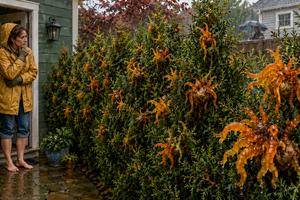
The Greener View: Orange Marmalade Octopi Invade Junipers
Q: There are a bunch of slimy, disgusting orange growths all over my junipers next to my patio. Please tell me they are not going to kill my junipers as they are shielding us from a bad neighbor's view.
A: There are more than 7,000 rust fungus species affecting plants. Many of the species are very host-specific and can't be transmitted to non-...Read more
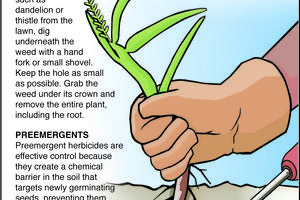
The Greener View: Can You Kill Dandelions Without Herbicides?
Q: I have four acres of lawn grass that has plenty of weeds. Is there a good way to kill dandelions without herbicides?
A: I am sorry to say there are no cost-effective, dandelion weed-killing products or techniques that aren't herbicides.
The following comments can be applied to just about any weed in the lawn or garden. First, keep the "good...Read more
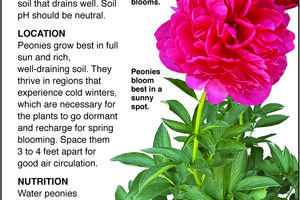
The Greener View: New Peonies Grandma Would Love
Q: I have some old peonies that flop over every spring, so I use a wire frame to keep them straight up. I saw some peonies in a landscape the other day that have very sturdy-looking stems that don't seem to need a frame. Any idea on what they are?
A: I don't know for sure what variety they are, but many newer hybrids on the market do have ...Read more
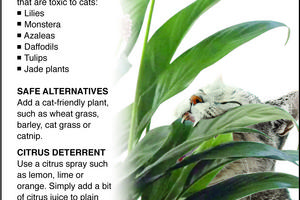
The Greener View: Lilies Can Kill Cats
Q: Don't know if an editor cut out the data, but how can Jeff Rugg do an article on Easter lilies and not mention that they are toxic to cats? Even eating one part of a flower will kill a cat. This is under-promulgated data!
A: You are right. The fact that Easter lilies and many other types of lilies are toxic to cats is not mentioned as often ...Read more
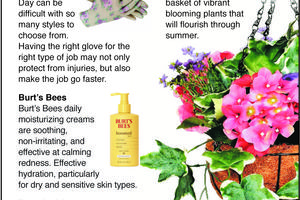
The Greener View: Mother's Day for Gardening Moms
If you have a mother or are married to a mom who is a gardener, this article is for you. If you are the gardening mom, then leave this article where someone you know can read it.
Mother's Day is May 10. If it is not yet May 10, then keep reading. If it is after May 10, you need more advice than this article can give you.
One thing that moms ...Read more
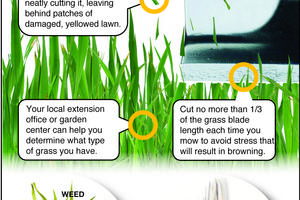
The Greener View: Proper Lawn Mowing Height
Q: We moved to another area of the country, and the lawn grass is totally different. The grass variety here would be a weed in my former lawn. It is also being mowed much lower than our old lawn, but the company doing the mowing says it is the proper height. Is it OK to mow a lawn higher?
Q: There are several reasons that lawn grasses should be...Read more
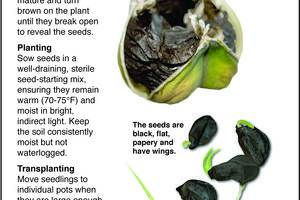
The Greener View: Amaryllis Seeds and Flooded Vegetable Gardens
Q: About a month ago, I harvested two seed pods from a beautiful waxed Amaryllis that was done flowering. The pods are in the refrigerator. One opened and the seeds are black, so maybe they are not good. I prepared a few flowerpots with expanded shale and potting soil.
What do I do with them? Please let me know the next steps. The original bulb...Read more
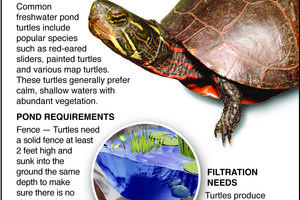
The Greener View: Pond Turtles and Dragonflies
Q: We have fish and plants in our backyard pond, but now we would like to add turtles and dragonflies. How do we get them in the pond, and are they safe to have?
A: Some wild animals will find their own way into the pond, and others you have to add. Some wild animals are not invited, such as alligators in the South and moose or otters in the ...Read more
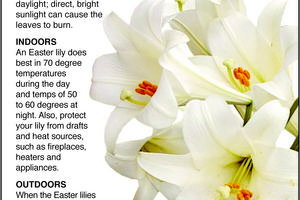
The Greener View: Buy an Easter Lily Now
In case you missed it, last Sunday was Easter. You may not celebrate Easter, but you can still pick up an Easter lily at your local garden center. You can call it a spring lily if you want to. They are pretty, and for most people, they have a delightful fragrance. Keep them as a houseplant while the flowers last, and later you can plant them in ...Read more
The Greener View: Lawns, Installation
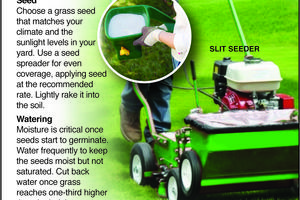
Many new homes built over the winter don't have a lawn. If your home is being built this summer, save this article for use later. Some lawns need touch-up work from winter injury.
In northern climates, early fall is the best time to install a new lawn or renovate an old one. Warm days, cool nights and the expected rainfall favor lawn grass ...Read more
Related Channels
Comics