On Gardening: Emerald Isle is a new drama queen for the garden
Published in Gardening News
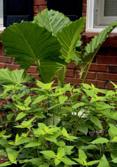
In landscape design, elephant ears are often described as having coarse texture, or if they’re lucky, bold texture. To me, they are the "Drama Queens of the Garden."
You may know Proven Winners for their Supertunia Bubblegum petunias or their Limelight hydrangeas, but they have already shown they can sweep a boat load of awards with fancy foliage. Their Island Giants series of Colocasia elephant ears like Coffee Cups and Heart of the Jungle selections have won 60 awards. Now make room for Emerald Isle.
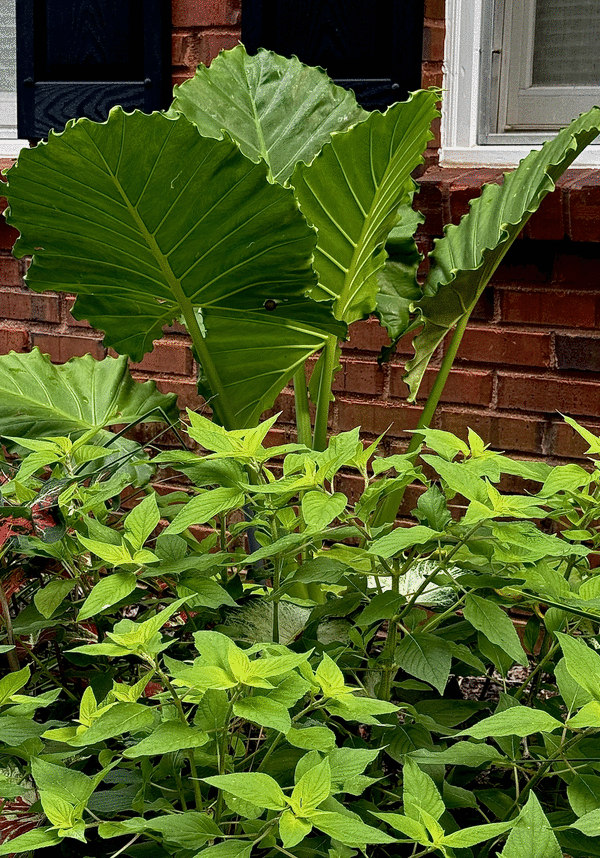
Emerald Isle is an Alocasia, sometimes referred to by gardeners as an "upright" elephant ear. Emerald Isle is touted as an annual, but indeed it will be a perennial in zones 7b and warmer. It will form a clump, reaching 4 feet tall and 3 feet wide of glorious tropical texture. I live and garden in zone 8b west Georgia, and I can tell you they will quickly challenge those tag suggestions.
They are tolerant of both shade and sun. In our neighborhood, where we have high filtered light from tall tree canopies and yet moments of searing sun, Emerald Isle elephant ear flourishes.
Neighbors Dave and Cynthia have positioned several in a long bed at the front of their home. Before planting, they amended the soil with organic matter that has yielded a magical performance. The huge glossy leaves stand regal over the companion plants below. The partners chosen here are Heart to Heart caladium varieties Dawn to Dusk and White Star, Golden Delicious pineapple sage, Soprano impatiens, and Pyromania Backdraft kniphofia.
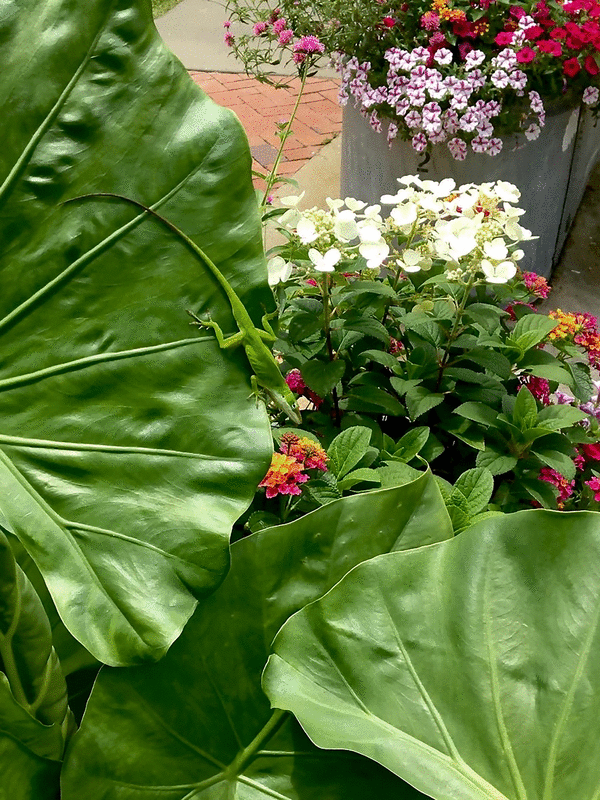
Son James showed the incredible possibilities of Alocasia in a container. He used a large horse trough and planted partners that were shrubs, perennials and annuals. The shrub companion was Hydrangea paniculata Little Quickfire. In our zone 8b area, we use Luscious lantanas as colorful perennials. In the horse trough, James chose Luscious Royale Cosmo lantana, which was perfect with Supertunia Lovie Dovie & Vista Fuchsia petunias. Truffula Pink gomphrena was also selected for its color, height and to bring in pollinators.
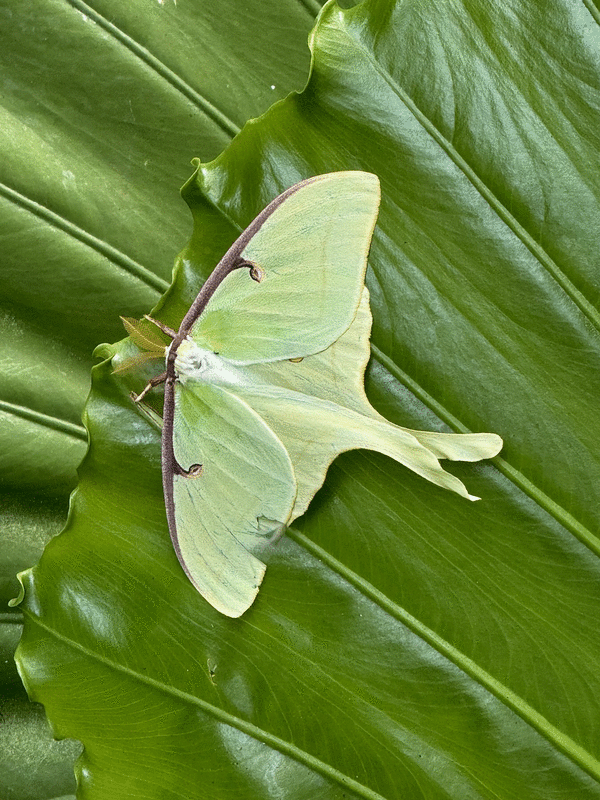
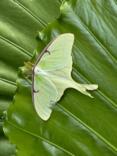
While the Emerald Isle elephant gives the appearance of being happy in Tarzan’s jungle, it has been exciting to see nature using the large leaves. A Luna moth is always a thrill to find, but it is extra special to find one with its wings spread lying on a leaf. Then the Green Anole lizard skillfully perches in matching green camouflage while on the hunt.
Though the Emerald Isle can survive outdoors in 7b and warmer, they are easy to dig up and overwinter if you live in a colder area or perhaps anticipate one of those 50-year freezes in the forecast. Simply lift the bulbs or corms from the soil prior to freezing temperatures arrive. Clean the bulbs of remaining soil using a brush or even washing, making sure not to cause damage.
Let them dry in a warm, well-ventilated room for around 2 weeks or until the outer skin is completely dry. They can then be placed in a cardboard box, paper bag or even a trash bag. Keep them in a cool, dry place where temperatures stay 50 to 60 degrees. Check on them during the winter to make sure there is no rotting.
Emerald Isle is a real treasure; it will give you the look and feel of the islands. Though I did not mention it, consider also growing them with your favorite Summerific Hardy Hibiscus or the showy tropical Hollywood Hibiscus series.
____
(Norman Winter, horticulturist, garden speaker and author of “Tough-as-Nails Flowers for the South” and “Captivating Combinations: Color and Style in the Garden.” Follow him on Facebook @NormanWinterTheGardenGuy.)
(NOTE TO EDITORS: Norman Winter receives complimentary plants to review from the companies he covers.)
©2026 Tribune Content Agency, LLC







Comments