On Gardening: Celebrating the Year of the Sedum
Published in Gardening News
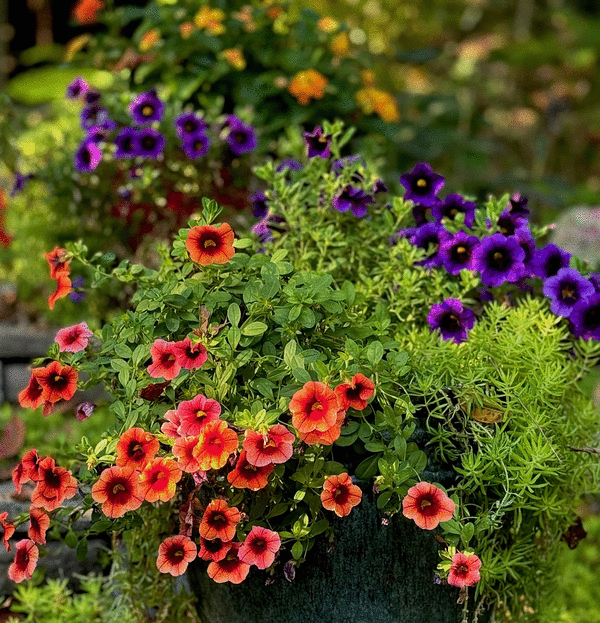
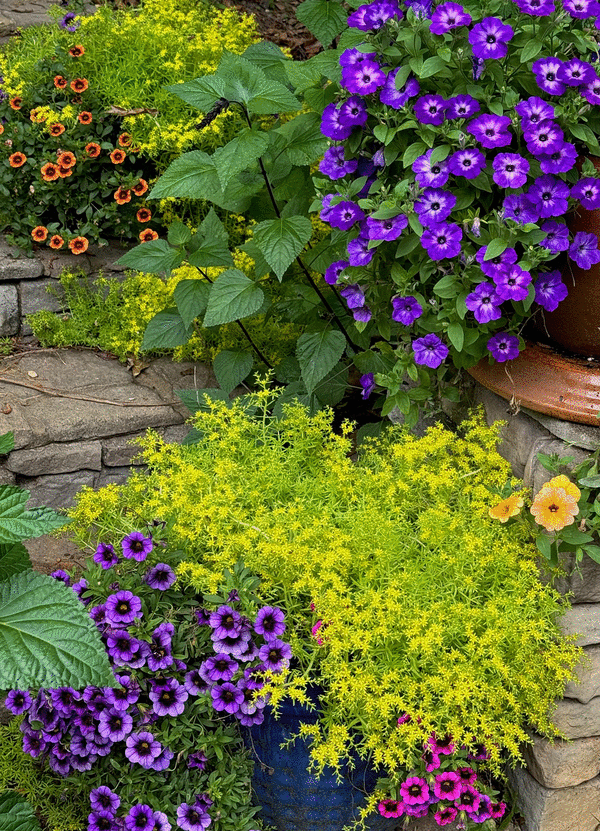
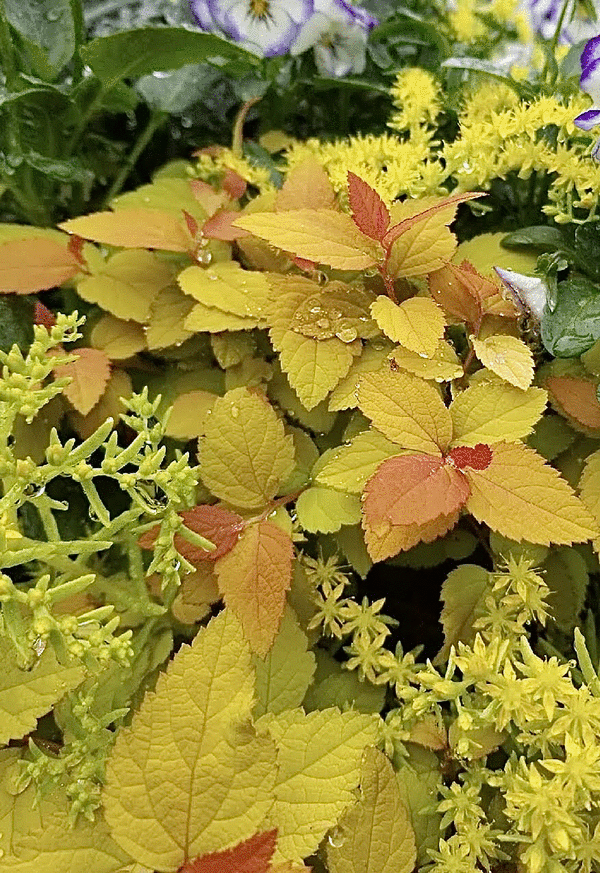
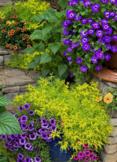
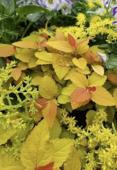
The National Garden Bureau has chosen 2026 to be the Year of the Sedum. It is always the year of the sedum at The Garden Guy’s house. As I pulled photos for this column, I was stunned by the beauty, and in this case, it is Lemon Coral sedum.
I quickly came up with 30 photos, which is about 25 too many, but I’ll submit around 9 and see what the editors do. But this brought up a question in my mind: Why isn't everyone using it, especially in their containers?
Botanically speaking Lemon Coral is known as Sedum mexicanum, a clear indication of its native habitat. It is perennial in zones 7a-11b. I’m in zone 8 Georgia and it thrives 12 months of the year. There is never a time it is not an asset in a mixed container, no matter the other partners.
During the coldest months, it may look like a creeping lava flow of chartreuse. But in the spring months, the stems start to elongate and there are weeks of tiny yellow flowers growing in every direction. These flowers look like a floral painting with every flower they are combined with.
They may get 3 to 10 inches tall and spread 10 to 14 inches. The bloom period began in March this year as it often does. This shows its ability to dazzle with pansies. But I have good luck coaxing Superbells calibrachoas, Supertunia petunias and Superbena verbenas through the winter, and you can’t beat having their blooms intermingled with Lemon Coral sedum flowers. I’ve got photos from March 3 to mid-May through the years.
After the bloom period, I usually remove the old bloom stems, leaving a fresh-looking plant that transforms back to its succulent filler or spiller purpose. Little branches or pieces falling on the ground will be deliriously happy and rooted, even in the crevices or cracks on my rock wall. If you are a neat freak, beware of this. I have become a Lemon Coral sedum farmer.
Many times I have come into spring with a container of just Lemon Coral sedum that has survived. I’ll simply dig a hole in the middle and plant a fresh quart of the newest Superbells or Supertunia. The handful of Lemon Coral sedum that was removed can be planted elsewhere or thrown away.
Make no mistake: Lemon Coral sedum is an award-winning plant from Mississippi State University to Penn State University, where it garnered a Perfect Score All Season. It will sizzle in mixed containers, boxes, baskets and as a ground cover. It thrives in sun to part sun and in all soil types other than those that take a pickax to break apart.
Though I am touting Lemon Coral sedum as my choice for the National Garden Bureau’s Year of the Sedum, know that Proven Winners has 13 other sedum varieties to try in the stone crop group. There’s six Rock ‘N Round, two Rock ‘N Low, four Rock ‘N Grow and one Rock N Black. Next on my wish list will be Rock ‘N Low Boogie Woogie with variegated foliage.
This is the Year of the Sedum; here’s hoping you will give some a try.
____
(Norman Winter, horticulturist, garden speaker and author of “Tough-as-Nails Flowers for the South” and “Captivating Combinations: Color and Style in the Garden.” Follow him on Facebook @NormanWinterTheGardenGuy.)
(NOTE TO EDITORS: Norman Winter receives complimentary plants to review from the companies he covers.)
©2026 Tribune Content Agency, LLC







Comments