Travel
/Home & Leisure
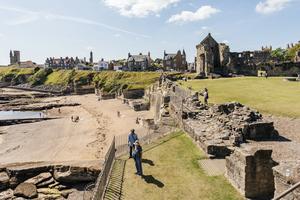
Rick Steves’ Europe: St. Andrews: Hit the links, books, and beach
Tiny St. Andrews has a huge reputation, known around the world as the birthplace and royal seat of golf. The chance to play on the world’s oldest course – or at least take in the iconic view of its 18th hole – keeps the town perennially popular among golfing pilgrims. But any visitor to Scotland should consider at least a short stop in ...Read more
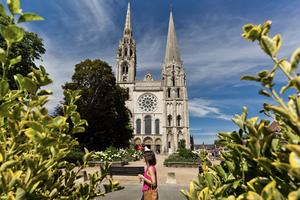
Rick Steves’ Europe: France's resilient, awe-inspiring Gothic cathedrals
When traveling in France, I can’t help but marvel at the towering Gothic cathedrals that mark the centers of many towns. I like to imagine what it was like to be a pilgrim 600 years ago, hiking for days to a particular church on a particular holy day...and feeling the awe when the soaring spire of the cathedral finally appeared on the distant ...Read more
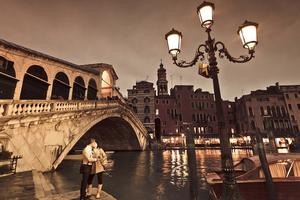
Rick Steves’ Europe: Despite changes, Venice still charms
I've been traveling to Venice for more than 40 years. On a recent trip to research my guidebook, I had to admit: the city felt different. While still one of Europe's most romantic and distinctive destinations, globalization and modern life are changing Venice – for better and for worse.
As I wandered Venice’s meandering streets and ...Read more
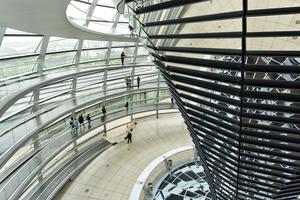
Rick Steves’ Europe: Climbing for Europe’s best views and a broader perspective
From church domes to bell towers and fanciful rooftops to sky-piercing monuments, Europe is full of climbable structures. While most lead to impressive views, the best also offer insights into the historical, artistic, and religious thinking of their times. These are some of my favorites.
In Milan, a highlight is strolling the rooftop of the ...Read more

Rick Steves’ Europe: Seeing seafaring Scandinavia through its great maritime museums
Scandinavia's Viking days may be long gone, but its legacy of maritime exploration (and plunder) continues to capture our imagination. Tap into the region's seafaring heritage by visiting excellent museums in Stockholm, Oslo, and just outside Copenhagen.
Scandinavia’s entrance into civilized Europe was swift and dramatic. On June 8, 793, a ...Read more
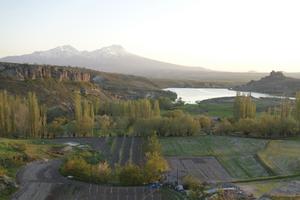
Rick Steves’ Europe: Güzelyurt: A beautiful land
Güzelyurt, a town on the edge of Turkey's rural region of Cappadocia, is one of my favorite discoveries in this bizarre and fascinating corner of central Turkey. It sits at the edge of the Ihlara Valley, about 35 miles from the regional capital of Nevşehir. It's best known in Turkey as a town where historic enemies – Greeks, Turks, Kurds, ...Read more
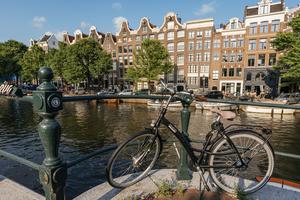
Rick Steves’ Europe: The sights, sounds and smells of sensuous Amsterdam … by bike
Sightseeing is more than just seeing. To get the full experience of a place, you need to feel, hear, taste, and smell it. On a recent visit to Amsterdam, I made a point to focus on sensual travel … because this is a city made to engage all the senses.
I always rent a bike here. I want to feel the bricks and pavement beneath two wheels. The ...Read more
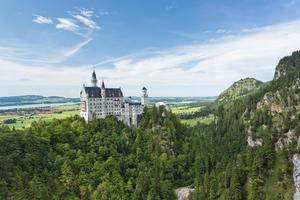
Rick Steves’ Europe: Europe's crazy rich royals and their lavish retreats
Just like today, the royal families of the past were fond of their countryside getaways. These lavish estates provided an escape from the city and the summer heat, a place for diversions like hunting and horseback riding, and enough land to build grand showpiece palaces and gardens. While Europe has many royal retreats you can visit, a few are ...Read more
Rick Steves’ Europe: Tranquil Tomar is a break from Portugal's tourist tumult
With a rich culture, friendly people, affordable prices, and a salty setting on the edge of Europe, Portugal understandably makes a rewarding destination for travelers. Bustling Lisbon and the sunny Algarve coast are well known to tourists (for good reason), but quieter places also offer tantalizing tastes of Portuguese flavor.
About 90 miles ...Read more
Rick Steves’ Europe: Italy connoisseurs choose leisurely Lucca
On a sunny summer evening in Lucca, Italy, I was inspired by the simple joy of watching an old man bicycling with his granddaughter atop the wide, fortified wall that once protected this proud city from its enemies – and now corrals its Old World charm. Then, on rented bikes, a group of chatty tourists frolicked by. Their enthusiasm was ...Read more

Rick Steves’ Europe: The art and value of journaling as you travel
My latest book, “On The Hippie Trail,” is an almost-too-intimate recount of my 1978 overland journey from Istanbul to Kathmandu. It’s also my oldest book, as it’s essentially my journal from that trip, which was packed away upon returning, and ignored for 42 years. Then, stuck at home during COVID, I stumbled across it. The entries ...Read more
Rick Steves’ Europe: Finding good solitude on Great Blasket Island
Imagine blinking away the ocean spray as your inflatable dinghy bumps its way to a rocky pier — the only access point to an island that houses the eerie remains of a once-vibrant Irish culture. After disembarking, the captain says, “We’ll pick you back up in four hours.” It’s now just you, a handful of fellow travelers, and the ...Read more
Rick Steves’ Europe: Stratford-upon-Avon: To see or not to see?
Nonliterary types might find England's Stratford-upon-Avon to be much ado about nothing, but Shakespeare's hometown is blanketed with opportunities for Bardolatry. It's an easy side-trip from London, but an overnight stay is best to take in a performance.
Shakespeare was born and raised here. He then spent most of his career in London, where he...Read more
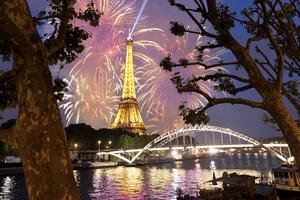
Rick Steves’ Europe: Bastille Day in Paris
For the ultimate summer party in France, visit over July 14 – Bastille Day, the country's national day. This holiday is celebrated with gusto, all-night parties, picnics, and fireworks. And the fun permeates the country, from tiny towns to Paris.
The day marks the symbolic start of the French Revolution that brought down the monarchy. In 1789...Read more
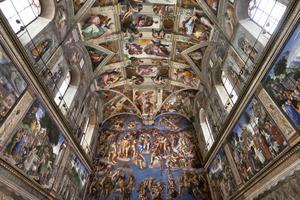
Rick Steves’ Europe: Appreciating the Italian Renaissance
Among the many things I love about Italy is how the Renaissance can be spliced into your travels. Imagine: In Florence, you can sleep in a converted 16th-century monastery that’s just a block from Michelangelo’s David, around the corner from Brunelleschi’s famous cathedral dome, and down the street from the tombs of the great ...Read more
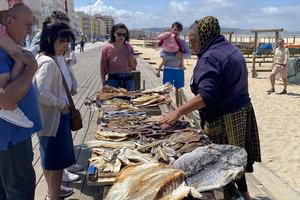
Rick Steves’ Europe: Old-school joys in Portugal’s Nazaré
Tucked into a far corner of Europe, just two hours north of Lisbon, is one of my favorite beach towns: Nazaré, a Portuguese fishing town turned tourist retreat. Visitors are greeted by the energetic applause of the surf, widows with rooms to rent, and fishermen mending nets. This is a place to relax in the sun among cork groves, eucalyptus ...Read more
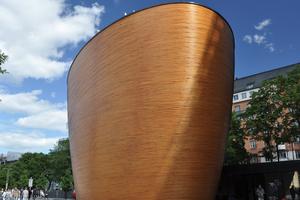
Rick Steves’ Europe: Helsinki highlights
Helsinki – Europe's youngest and northernmost capital city – feels like an outpost of Europe. While it lacks the cutesy cobbles of Copenhagen, the regal setting of Stockholm, or the futuristic vibe of Oslo, Helsinki holds its own among Nordic capitals with its creative spirit, zest for architecture and design, and steamy love of saunas.
...Read more
Related Channels

Celebrity Travel
By Jae-Ha Kim

Taking The Kids
By Eileen Ogintz

Travel Troubleshooter
By Christopher Elliott
Comics