Vitamin D shows promise for hard-to-treat pancreatic cancers
Published in Health & Fitness
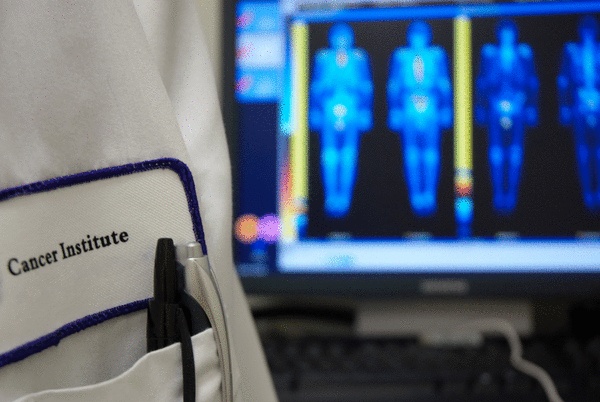
Patients receiving a type of vitamin D lived longer after chemotherapy for pancreatic cancer in a small study run by researchers with the Salk Institute.
Among 36 patients with previously untreated pancreatic cancer that had metastasized or spread, those taking a type of vitamin D called paricalcitol experienced a significant survival boost one year after the trial, researchers from the Dana-Farber Cancer Institute in La Jolla, California, found. The supplement, administered orally or by injection, reduced the presence of inflammation and fibroblasts: thick mats of connective tissue cells that form the protective shield around many cancers.
“This study really takes a novel approach for cracking therapeutic resistance in pancreatic cancer,” study co-author Ronald Evans, professor of molecular and developmental biology at Salk, said in a center news release. “By using vitamin D analogs to engage the body’s own natural system for dampening fibrotic and inflammatory responses, we can enable other therapies to do their job.”
The study showed that vitamin supplementation with chemotherapy was safe, as well as reducing the density of protective tissues surrounding tumors, and increased infiltration of immune T-cells, which are usually excluded from tumors. The Food and Drug Administration-approved synthetic form of vitamin D has been designed to last longer in the body and resist deterioration, they wrote.
They published their work in the journal Nature Cancer in May.
Pancreatic cancer is difficult to treat as it is rarely caught in its early stages, according to cancercenter.com. By the time symptoms appear, the tumor has usually spread to surrounding vital organs or metastasized. In addition, a pancreatic tumor’s dense, fibrous barrier and mutated genes make it harder to treat with standard therapies. Standard chemotherapy can slow the cancer for some, but outcomes remain poor.
The researchers also found that patients with more receptors for vitamin D had a stronger response to the therapy. They said more testing is needed to see how and when to incorporate vitamin D into the therapy.
_____
©2026 Baltimore Sun. Visit baltimoresun.com. Distributed by Tribune Content Agency, LLC.









Comments