History
/Knowledge
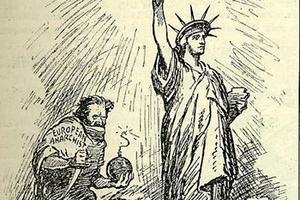
This Day in History, June 8
On June 8th, 1949, celebrities such as Danny Kaye and Helen Keller were named members of the Communist party during the Red Scare.
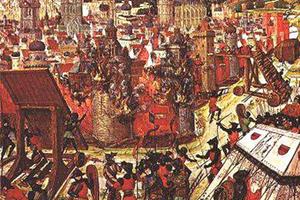
This Day in History, June 7
On June 7th, 1099, the Siege of Jerusalem began.
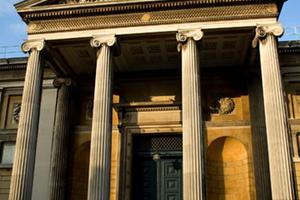
This Day in History, June 6
On June 6th, 1684, the Ashmoleon Museum opened as the first university museum.
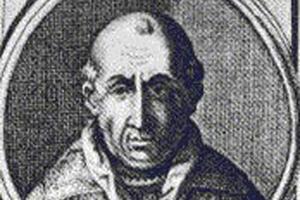
This Day in History, June 5
On June 5th, 1305, Clement V was elected Pope.
Video
No body
Video
No body
Video
No body
Video
No body
Video
No body
Video
No body
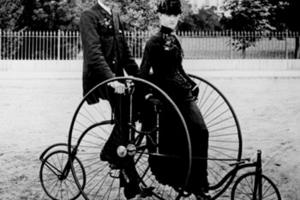
This Day in History, June 4
On June 4th, 1896, Henry Ford took his first automobile - the Quadricycle - for a test drive.
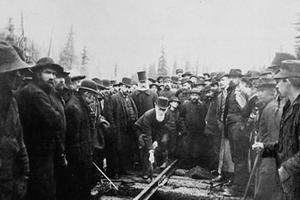
This Day in History, June 3
On June 3rd, 1889, the Canadian Pacific Railway was completed.
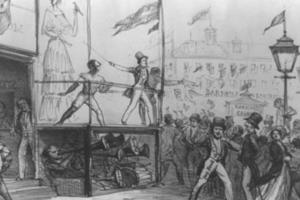
This Day in History, June 2
On June 2nd, 1835, P.T. Barnum and his circus began their first tour of the United States.
This Day in History, June 1
On June 1st, 1954, Linus of "Peanuts" was shown with his security blanket for the first time.
This Day in History, May 31
On May 31st, 1678, the Godiva procession through Coventry began.
This Day in History, May 30
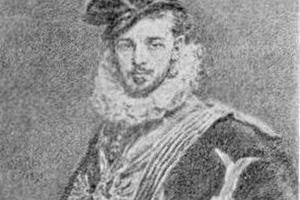
On May 30th, 1574, Henry III became King of France.
This Day in History, May 29
On May 29th, 1953, Sir Edmund Hillary became the first person to reach the top of Mt. Everest.
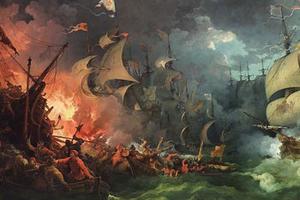
This Day in History, May 28
On May 28th, 1588, the Spanish Armada began to set sail for the English Channel.
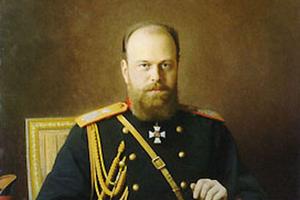
This Day in History, May 27
On May 27th, 1883, Alexander III was crowned Tsar of Russia.
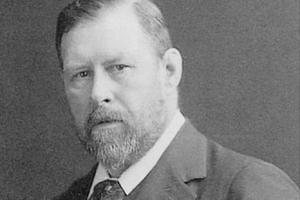
This Day in History, May 26
On May 26th, 1897, Bram Stoker's novel "Dracula" went on sale in London.
Popular Stories
Comics