
GOOD THINGS FROM THE EARTH
Published in America's Test Kitchen
Next Tuesday, April 22, is Earth Day, an annual international event that, since 1970, has promoted awareness of our environment and the positive impact each of us can have on it if we try.
That's certainly true for those of us who love to cook and eat good food. In all of my restaurants, I'm committed to using fresh, natural, organic ingredients, produced through sustainable and humane farming and fishing practices. No other approach better safeguards our planet or sustains our health and our quality of life.
A big part of the quality of life that comes from such a commitment is in the flavor of our food. Anyone who is lucky enough to live in the countryside, or just to have a weekly farmers' market nearby, can easily experience the difference between fresh, local, seasonal produce and stuff that was harvested days or weeks ago, far away.
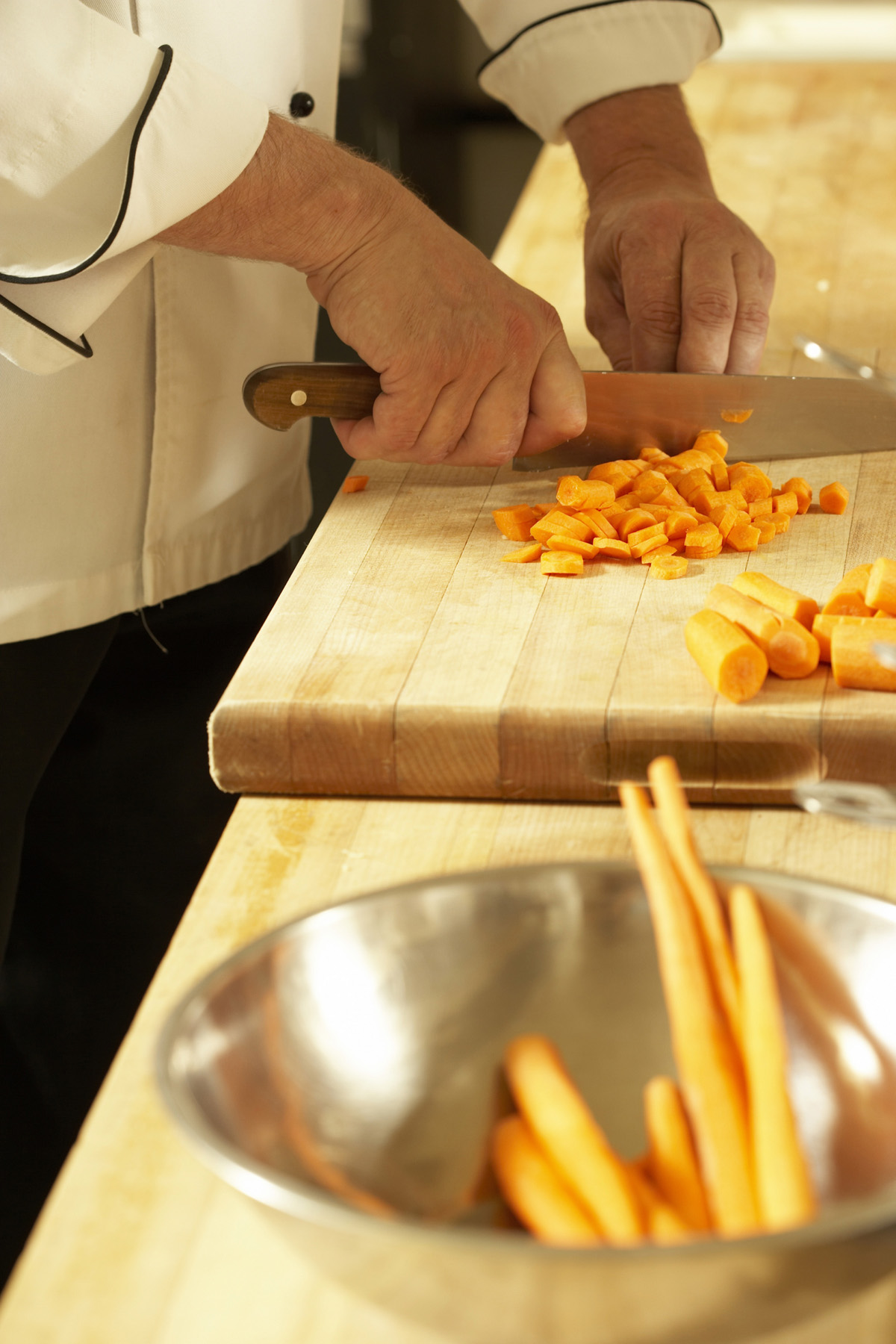
Take carrots, for example, at their peak of season right now. Freshly harvested carrots snap with juicy crispness when you bend them. The flavor is incredibly sweet and earthy. No woody, dry-looking, flexible carrots that have been sitting around on the shelf can compare; their natural sugars will have long ago started converting to starch, dulling their flavor.
Even at a big, impersonal supermarket, though, there are smart ways to look for good carrots. If they still have bright green, fresh-looking stems and leaves, you'll know they were harvested fairly recently.
Well-stocked markets nowadays also offer some of the more interesting varieties of carrots that you might find more commonly at the farmers' market or at enterprising farm stands. Look for small, round carrots; broad, tapered, cone-shaped ones; long, slender carrots; and colors as varied as the familiar orange, bright yellow, red, purple, and pure white. Flavors will vary slightly, but as long as they're freshly harvested all of them will taste sweet and, well, carroty.
I like to use several different kinds of carrots in my recipe for Carrot and Ginger Soup. If you can only find one kind of freshly harvested carrots, however, go ahead and use it for the entire recipe; once the soup is pureed, you won't be able to tell much of a difference, anyway.
When you prepare the soup, take care not to add too much liquid. Fresh carrots will give up a lot of their own and, not yet having turned starchy, they won't thicken the soup too much. I add some cream to my soup to make it a little richer and more complex; but you can also leave it out, if you like, and enjoy the pure, intense taste of freshly harvested springtime carrots on their own.
Happy Earth Day!
CARROT AND GINGER SOUP
Makes about 8 cups, 6 to 8 servings
1 pound orange carrots
1 pound yellow carrots (or orange carrots)
1 pound white carrots (or orange carrots)
1/4 cup peanut oil or vegetable oil
1 tablespoon minced garlic
1 tablespoon minced fresh ginger
1 tablespoon minced green onion
Pinch red pepper flakes
1 tablespoon salt
1/2 teaspoon freshly ground white pepper
1/2 teaspoon turmeric
1 tablespoon honey, or to taste
8 cups organic store-bought vegetable broth, plus extra, if necessary
1 cup heavy cream
4 ounces unsalted butter
Peanut oil or vegetable oil, for deep-frying
1/2 cup finely julienned fresh ginger
Trim and peel the carrots and slice them thinly.
In a stockpot, heat the 1/4 cup of oil over medium heat. Add the garlic, minced ginger, green onions, and pepper flakes and saute, stirring frequently, just until glossy and fragrant but not yet browned, 1 to 2 minutes.
Add the carrots, salt, pepper, turmeric, and 1 tablespoon of honey. Saute for 2 minutes, stirring constantly. Add the broth and bring to a boil. Reduce the heat to maintain a gentle simmer and stir in the cream. Cook until the carrots are tender, about 40 minutes.
Add the butter and, with an immersion blender, puree the soup in the pot; or, if you don't have an immersion blender, transfer the soup to a blender and puree in batches with the butter, taking care not to overfill the blender and carefully following manufacturer's instructions to avoid splattering of the hot liquid.
Pour the soup through a fine-meshed strainer into a large, clean bowl. Rinse out and dry the pot and return the soup to it. If the soup seems too thick, stir in some more broth to achieve the desired creamy but fluid consistency. Taste and adjust the seasoning, if necessary, with more salt, white pepper, and honey. Cover the pot and keep the soup warm over very low heat.
In a heavy pot or skillet, pour in enough peanut oil or vegetable oil for a depth of about 2 inches. Over high heat, heat the oil to 300 degrees F. on a deep-frying thermometer. Meanwhile, spread the ginger julienne on paper towels and pat with more paper towels to remove excess moisture. Carefully scatter the ginger julienne into the hot oil and fry until it is golden brown and crispy, about 30 seconds. Immediately remove the ginger with a wire skimmer or slotted spoon and transfer to a paper towel-lined plate to drain.
To serve, ladle the soup into heated bowls. Garnish with fried ginger strips and serve immediately.
(c) 2008 WOLFGANG PUCK WORLDWIDE, INC. DISTRIBUTED BY TRIBUNE MEDIA SERVICES, INC.








Comments